All you Need to Know About your Child’s Teeth: A Healthy Baby is a Happy Baby


Picture of a 5-year-old patient
Nursing Bottle Syndrome (NBS), also known as Baby Bottle Syndrome, affects children less than five years of age. NBS is caused when baby teeth have prolonged contact with liquids containing sugar such as milk, formula or juice, resulting in extensive decay. I frequently see children as young as two years old who need fillings, crowns or extractions. What's to be done? Wean babies from the bottle around 12-14 months. Never let your child walk around with a bottle filled with milk for more than 20 minutes. When children fall asleep while having a bottle or breastfeeding, they generally don’t swallow the last part of the milk and that remains in their mouth all night long. Bacteria present in the mouth breaks sugar down into acid causing tooth decay. Breastfeeding is great for children but after their first birthday, have a bottle of water ready to swap after feeding so that any residual milk or formula is rinsed down. Aim to gradually reduce the frequency with which you feed at night. Juices and sodas cause erosion of teeth and should be avoided. 4oz is the maximum amount of juice a child should consume in a day. Limit sticky snacks to once a day. Children should be fed every 2-3 hours. A typical schedule could be breakfast at 8:00 am, snack at 10:00 am, lunch at 12:00 pm and so forth. Water is the only thing they should be consuming between the meals. Also, dental examinations should begin at 12 months. Here Comes the Tooth Fairy Time does go by fast and before long, your six or seven-year-olds will come and tell you that their teeth are loose. Some may start losing their baby teeth a year earlier or later. Often, kids avoid brushing around loose teeth, so it is important to help them keep those areas clean. Over retained lower anteriors
Shark teeth
Baby teeth usually fall out on their own. However, in some cases they can stubbornly stick around even after permanent teeth have erupted. Often, this happens with lower front teeth, resulting in 'shark teeth'. The permanent teeth grow behind the over-retained baby teeth. If the baby teeth are loose, they will fall out in a week or two and the tongue will push the permanent teeth forward. Sometimes the roots of baby teeth don't get resorbed; in that case, they might need to be extracted by a dentist. 'Shark Teeth' in upper arch often needs to be extracted and might not be a self-correcting issue. If neglected, it can require orthodontic intervention in the future. The Six-Year Molar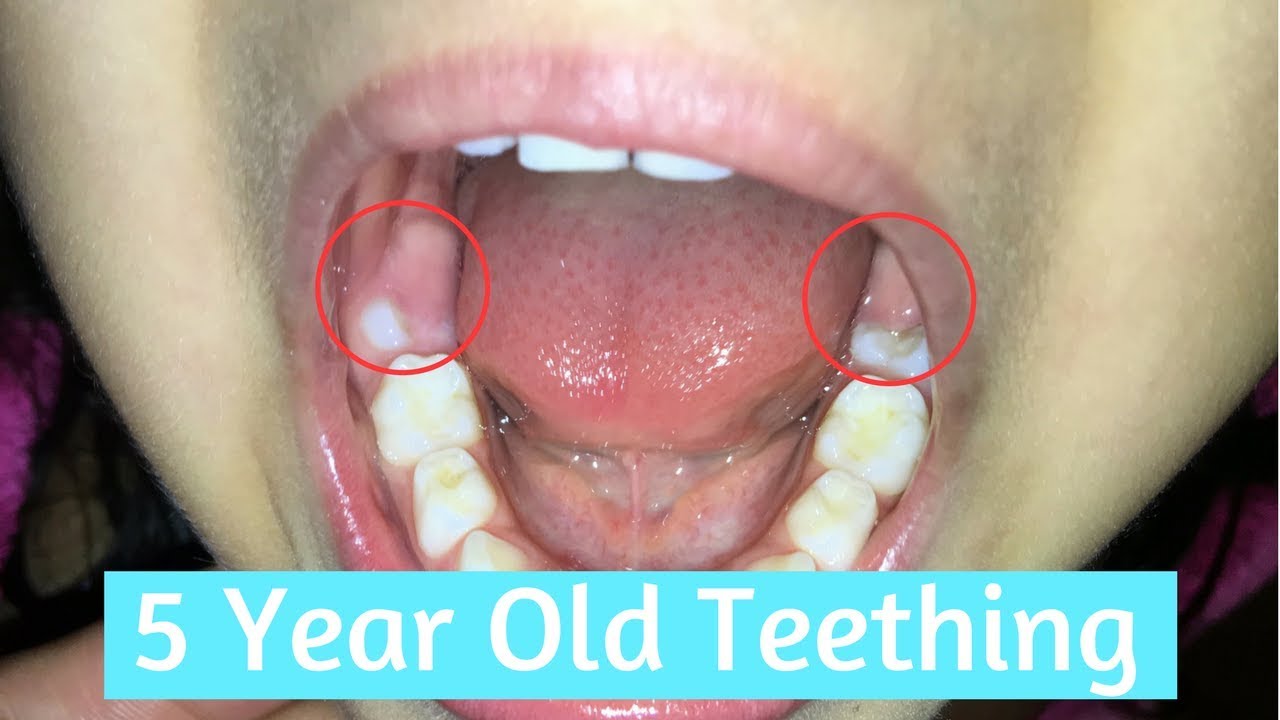
Permanent tooth erupting behind the baby Teeth
Another important development is the appearance of the first permanent molar, also called six-year molar. This is a very important tooth that erupts behind the baby teeth. The jaw grows to accommodate the molar. Children aren't used to having a tooth so far behind in their mouths and can inadvertently skip brushing them. Given how big a tooth this is, it can cause considerable pain if it gets infected with food collecting around it. Salt water gargle, brushing and massaging the area will help ease the discomfort. As soon as the six year molar makes an appearance, it needs to be sealed. Sealant is like a nail polish coat that goes on top surface of the molar. It prevents food from collecting in groves and helps reduce the incidence of cavities. Yes, dental care starts young. The better and more regular the care, the smaller your future dentist and orthodontic bills!