Full text: Statement of Yashwant team after Kashmir visit
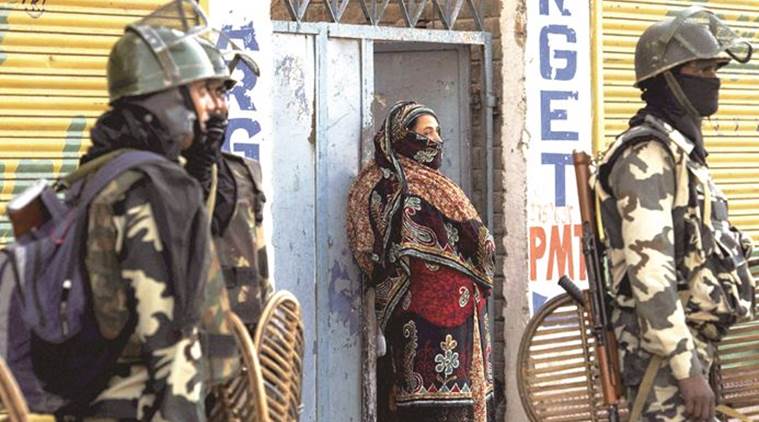
A group of five persons, including former External Affairs Minister Yashwant Sinha, who visited Srinagar recently, released a brief report on their findings regarding the unrest in Kashmir.
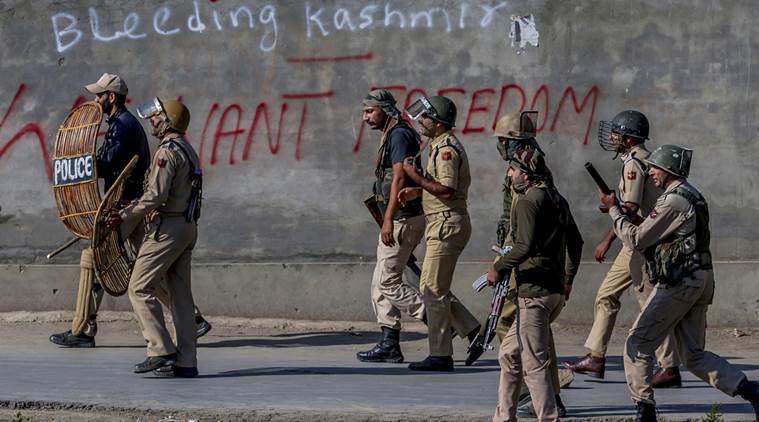
A group of eminent citizens recently visited Srinagar to assess the situation in the Valley after months of protests and curfews. The group comprised former union minister Yashwant Sinha, Wajahat Habibullah, Air Vice-Marshal (Retd) Kapil Kak, Bharat Bhushan and Sushobha Barve. Barve is the Executive Programme Director of Centre for Dialogue and Reconciliation that facilitated the visit for the group. The objective was to understand the psyche of the Kashmiri people after the recent unrest following militant commander Burhan Wani’s killing. Following the visit, the group has collectively released a brief report on its findings on the reason behind the Kashmir unrest, which has led to the death of nearly 100 people, and what can be done to restore peace. A major finding stated in the report was that most Kashmiris felt the use of pellet guns as unfair, especially when it has been used on unarmed and peaceful protesters. The use of pellet guns have left children as young as 4-year-olds blind or partially blind, and has pitched Kashmiris against the security forces. The report also underlines the need to recognise the current situation in the Valley as a political one. It states that many Kashmiris feel the govenment of India needs to understand that the dispute cannot be solved through law and order measures but by dialogue between the government and its people. Full text of the report: Across the political spectrum, the Kashmiris we met spoke to virtually the same script about the history of the Kashmir issue. They may have varied in the exposition of a particular issue but basically all of them argued for a political solution to what they perceived as a political issue. They made the point that this is the fifth generation of Kashmiris which was protesting but to no avail. Each one spent a considerable amount of time recounting the activities of the security forces which had alienated the population of the Valley. Our interlocutors told us the reasons for the immediate anger and the long term anger which we are quoting below without endorsing them – REASONS FOR IMMEDIATE ANGER: 1. Excessive use of force by the security forces The violence which began with the funeral procession of slain militant Burhan Wani has so far resulted in the death of nearly a hundred people. The question that most Kashmiris are asking is: Why were unarmed people going to offer last prayers for Burhan Wani fired at? They were not carrying any sticks, firearms or grenades that they represented a threat to the security forces. Nor did they attack the security forces. The firing at the funeral processions (there were nearly two lakh people gathered for the funeral and the last Namaz Janaza for Burhan Wani had been offered 40 times) is being seen as action of unaccountable security personnel and is being projected as an example of India’s ‘inhumanity’.